Key Applications of a Nucleic Acid Extraction System in Molecular Diagnostics
Clinical laboratories demand highly reliable genetic isolation protocols to detect infectious pathogens with absolute precision under tight reporting schedules. Manual sample preparation often introduces human error and variable purity yields that jeopardize subsequent diagnostic evaluations.
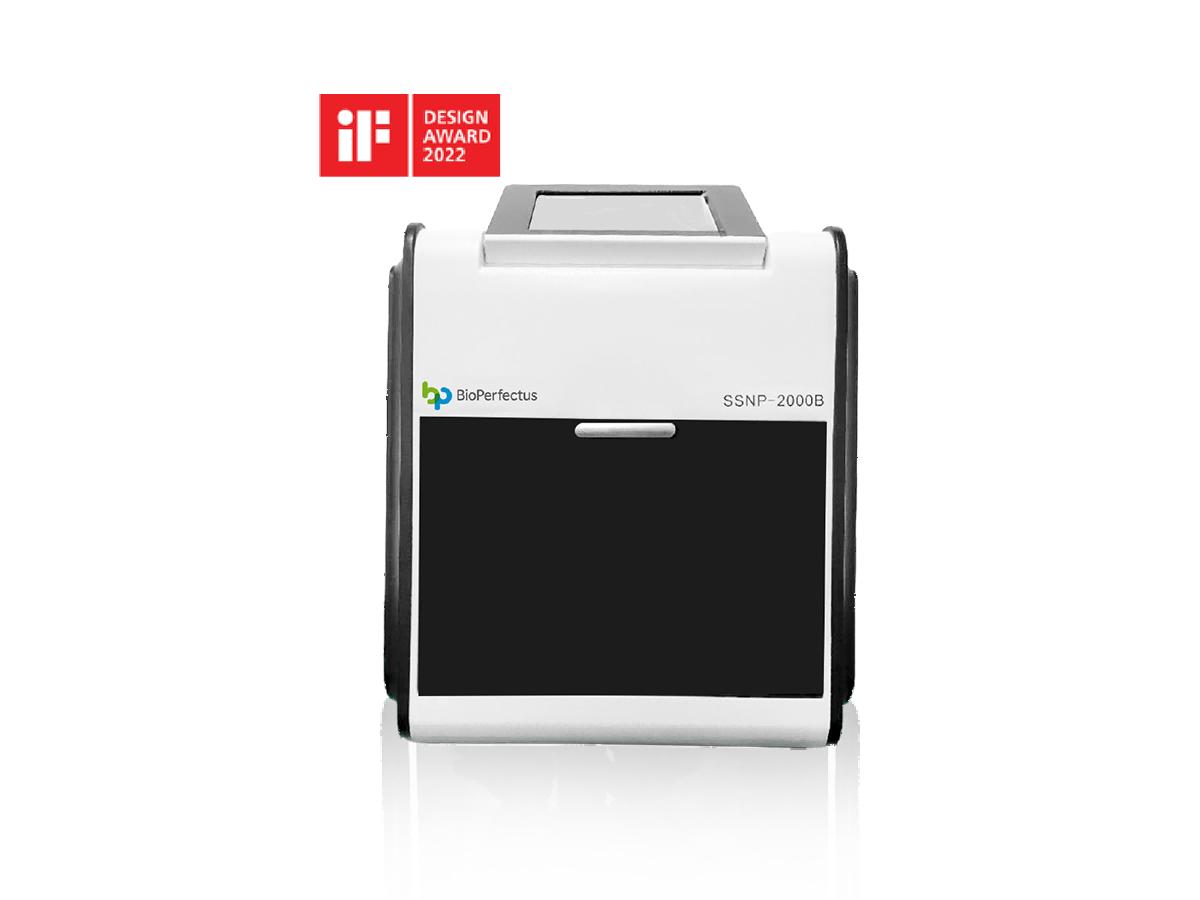
Selecting an advanced nucleic acid extraction system transforms sample preparation by automating magnetic bead separation steps. Pathologists rely on these automated platforms to isolate high-yield viral DNA and RNA from complex biological specimens efficiently.
Streamlining Clinical Viral Pathogen Isolation
Infectious disease management requires rapid and reproducible isolation of viral genetic material from high-risk patient samples. Modern laboratories deploy automated purification hardware to handle routine screening for respiratory infections, bloodborne pathogens, and viral outbreaks.
Utilizing magnetic bead technology ensures that target nucleic acids are recovered with minimal chemical residue carryover. Such high purity is vital for identifying low-titer viral loads before clinical symptoms fully manifest in patients.
Clinical microbiology departments benefit significantly from standardized extraction protocols that eliminate manual pipetting inconsistencies across batches. Technicians achieve reliable pathogen identification because automated instruments maintain strict temperature and mixing controls throughout the lysis phase. Ensuring robust viral recovery directly protects public health surveillance networks by delivering dependable diagnostic baselines.
Processing Diverse Specimen Matrices in Modern Laboratories
Diagnostic versatility depends on an instrument’s ability to process varied clinical matrices without requiring extensive protocol re-optimization. The Nucleic Acid Extraction System SSNP-2000B accommodates multiple sample types including serum, plasma, urine, and virus culture media.
Technicians also process nasal, pharyngeal, cervical, and urethral swabs seamlessly within a single unified platform configuration. This multi-matrix compatibility simplifies daily laboratory logistics by consolidating diverse testing requirements into one workspace.
Handling complex biological fluids demands robust contamination prevention mechanisms to safeguard operator safety and sample integrity. Integrating ultraviolet disinfection and independent HEPA air filtration pathways effectively neutralizes aerosol risks during high-volume runs.
Laboratories processing sensitive specimens rely heavily on these enclosed protective features to prevent cross-contamination. Maintaining clean internal operating environments ensures that every clinical dataset remains pristine.
Facilitating Downstream Amplification and Sequencing
Pure genetic isolates serve as the foundational prerequisite for successful quantitative polymerase chain reaction and sequencing assays. The primary application of nucleic acid extraction centers on generating high-quality templates for downstream analytical platforms.
Inhibitor removal during the magnetic bead separation stage prevents enzyme suppression during subsequent thermal cycling procedures. Laboratories partnering with BioPerfectus benefit from reagents engineered to maximize compatibility with amplification hardware.
Real-time PCR, reverse transcription PCR, and digital PCR methods require optimal nucleic acid concentration to detect target sequences reliably. When laboratories utilize high-purity elution volumes, amplification curves exhibit steeper slopes and earlier quantification cycle thresholds.
High recovery efficiency ensures that even fragmented or low-abundance targets remain visible to detection sensors. Precision in the extraction phase directly translates into enhanced sensitivity across complex multiplex testing panels.
Next-generation sequencing also demands exceptional nucleic acid integrity to prevent library preparation failures and sequencing bias. Automated isolation protocols protect fragile RNA and long-strand DNA molecules from mechanical shearing during lysis procedures. Supplying intact genetic libraries allows genomics researchers to map microbial genomes with absolute confidence.
Enhancing Diagnostic Capabilities in Specialized Testing
Beyond routine viral screening, modern purification platforms support diverse life science research, forensics, and public health investigations. The versatile application of nucleic acid extraction extends into epidemiological tracking and population-wide health surveillance initiatives.
Researchers analyzing complex tissue homogenates or specialized culture media require tailored oscillation mixing profiles to liberate target analytes. Flexible program management allows laboratory personnel to adjust heating temperatures for unique experimental requirements.
Public health agencies frequently encounter emerging pathogens that require rapid protocol adaptation and immediate diagnostic deployment. Reliable equipment modularity empowers virology teams to configure custom extraction scripts for unexpected outbreak investigations. Equipment manufacturers such as BioPerfectus provide comprehensive technical support to validate novel assay parameters quickly.
Optimizing Laboratory Productivity and Workflow Efficiency
Laboratory directors constantly evaluate workflow efficiency metrics to minimize operational costs and reduce technician burnout rates. Deploying a dependable nucleic acid extraction system significantly reduces hands-on preparation time compared to manual methods.
Processing up to thirty-two samples simultaneously within a compact footprint maximizes valuable benchtop space in crowded clinical settings. Technicians can reallocate saved hours toward data analysis, quality control, and clinical reporting tasks.
Fast turnaround times are essential for emergency departments requiring rapid diagnostic feedback for critical patient management decisions. Automated purification runs complete within concise operational windows, allowing laboratories to report results within tight clinical windows. The ultimate application of nucleic acid extraction lies in bridging the gap between sample arrival and definitive clinical diagnosis.
Future-Proofing Molecular Diagnostic Operations
Investing in scalable diagnostic infrastructure ensures that clinical facilities can absorb rising test volumes without expanding physical footprints. Upgraded software interfaces featuring intuitive touchscreen controls simplify daily instrument operation for all laboratory personnel.
Reliable magnetic bead recovery efficiencies exceeding specific performance thresholds guarantee consistent output quality across routine runs. Manufacturing excellence supported by BioPerfectus provides long-term operational confidence for commercial testing laboratories.
Selecting versatile laboratory hardware represents a strategic decision that influences institutional competitiveness and patient care standards. Modern clinical facilities require robust instrumentation that bridges pre-analytical sample preparation with advanced molecular detection methods. Operating an efficient nucleic acid extraction system empowers laboratory teams to meet current demands while anticipating future diagnostic challenges.


