A More Refined Journey: Comfort and Efficiency in Premium Intercity Tourism
A memorable intercity journey depends on more than reaching a destination on time. Passengers also notice the atmosphere inside the cabin, the quality of their seats, the smoothness of the ride and the overall sense of refinement throughout the trip. For operators, these expectations must be balanced against energy consumption, vehicle availability and operating costs.
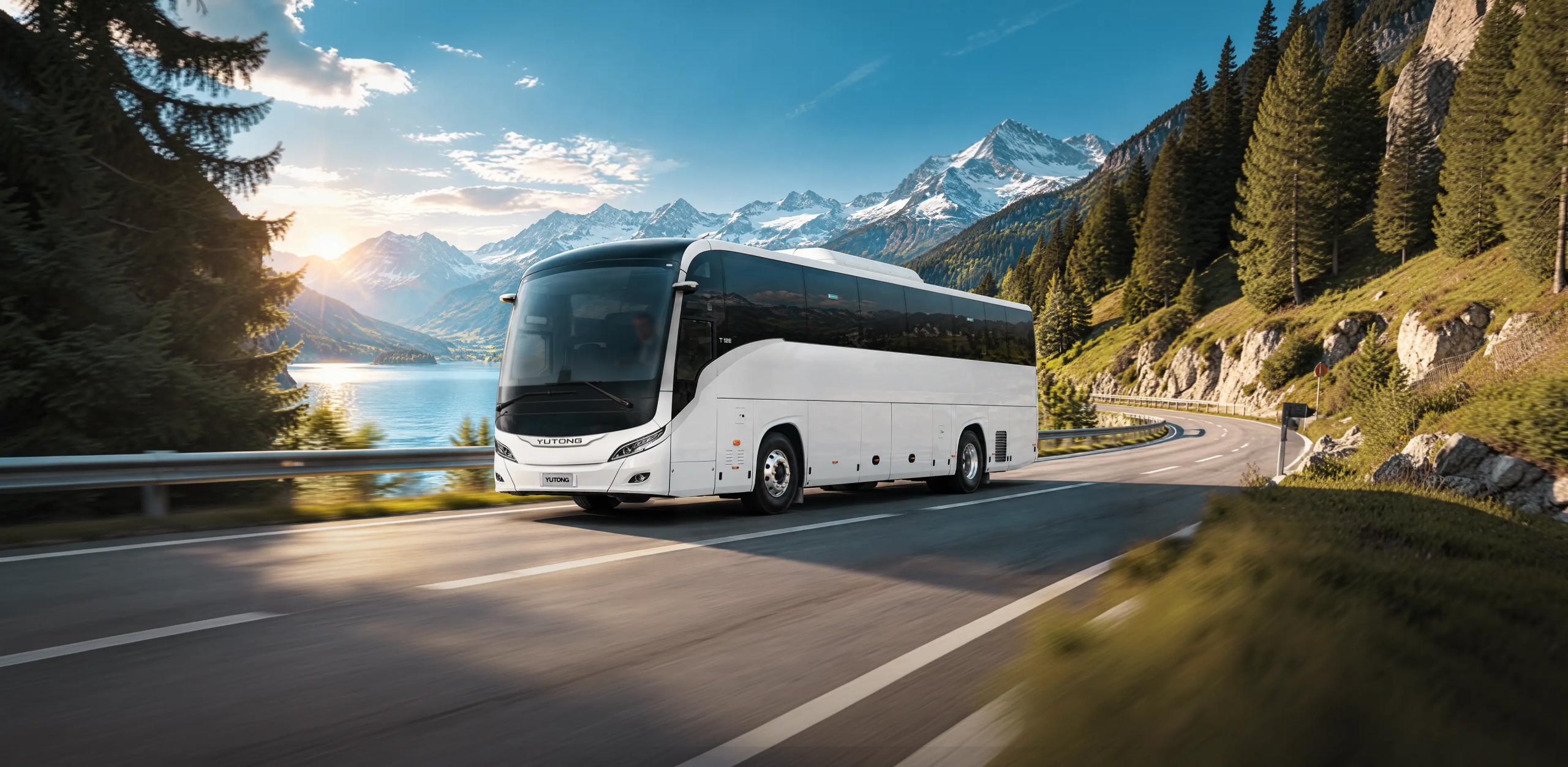
Yutong T12E provides a useful reference point for understanding how premium coach design can address these priorities. As the wider tourism market becomes more experience-oriented, Yutong Bus reflects an approach in which passenger comfort and practical operating considerations are treated as connected parts of vehicle design.
Passenger Comfort Begins With the Cabin Environment
Long-distance travel places different demands on a passenger cabin than short urban journeys. Travellers may remain seated for several hours, making seat support, legroom, temperature and noise levels particularly important. Even minor discomfort can become more noticeable over time, affecting how passengers perceive the entire trip.
Seat design should account for posture rather than appearance alone. Appropriate cushioning, backrest angles and head support help distribute pressure and reduce fatigue during extended journeys. Legroom also deserves careful attention, especially on routes where passengers carry personal belongings or need to change their sitting position periodically.
The cabin environment extends beyond individual seats. Stable air circulation, balanced lighting and effective noise management contribute to a more relaxed atmosphere. Excessive ventilation noise or uneven temperatures can distract passengers, while carefully arranged interior elements make the space feel more cohesive. These details shape the perceived quality of a coach without requiring unnecessary decoration.
Elegant Styling and Functional Interior Design
Exterior styling establishes the first impression of a premium tourist coach, but its value goes beyond visual appeal. A coherent body shape, well-proportioned windows and carefully integrated lighting can give a vehicle a distinctive appearance. For tourism operators, the coach itself also forms part of the travel experience, particularly on scenic routes where passengers associate the vehicle with the quality of the tour.
Interior aesthetics require a different balance. Materials, colour combinations and surface finishes should create a welcoming atmosphere while remaining practical for frequent use. Surfaces exposed to regular passenger contact need to withstand cleaning and everyday wear. Attractive finishes that are difficult to maintain may increase operating workload, so visual design and material durability should be assessed together.
The Yutong T12E belongs to the T series, which is designed to deliver a premium travel experience through distinctive styling and passenger-focused features. Its relevance lies in the relationship between appearance and the wider journey: a coach designed for tourism must offer an inviting environment while remaining suitable for repeated commercial service. Styling becomes meaningful when it supports the experience rather than serving as decoration alone.
Energy Efficiency and the Economics of Tourism Operations
Premium passenger transport also has to make commercial sense. Fuel or electricity consumption, maintenance requirements, vehicle utilisation and scheduled downtime all influence the cost of operating a tourism fleet. A comfortable coach that spends too much time out of service can create difficulties for operators, particularly during peak travel seasons.
Energy efficiency is shaped by several interconnected factors. Vehicle weight, aerodynamic resistance, drivetrain performance, tyre condition and driving behaviour all affect energy demand. On routes involving frequent elevation changes or varying traffic conditions, operating patterns can have a noticeable influence on consumption. Fleet managers should assess performance using actual route data rather than relying on a single laboratory figure.
For operators evaluating the Yutong T12E, the broader principle is that premium specifications should be considered alongside daily operating requirements. Passenger comfort, energy use and maintenance planning are not isolated concerns. A well-planned service schedule, driver training and regular technical inspections can help preserve vehicle condition and make operating costs more predictable over time.
Matching Coach Design With the Tourism Experience
Different tourism services place different demands on a coach. Sightseeing routes may involve frequent stops and short passenger transfers, while longer intercity tours require sustained comfort over extended periods. Operators should examine route distance, road conditions, passenger profiles, luggage requirements and seasonal demand before deciding which vehicle configuration is appropriate.
Passenger expectations also vary with the nature of the journey. Leisure travellers may value panoramic views, a calm cabin and convenient personal space. Group tours may require practical luggage arrangements and easy passenger movement. Business travel services, by contrast, may place greater emphasis on a quiet environment and a consistent onboard experience. Understanding the target service helps operators prioritise features that passengers will actually use.
Vehicle presentation and service quality should also work together. Clean interiors, attentive maintenance and professional driving practices can reinforce the impression created by exterior styling and cabin design. A premium coach is only one part of a successful tourism service; the experience also depends on how reliably the vehicle is operated and maintained. Yutong Bus illustrates the importance of considering the vehicle as part of a wider passenger-service system rather than judging it by appearance alone.
Conclusion
Premium intercity tourism is built through a series of connected decisions: how passengers sit, what they see and hear, how the vehicle uses energy, and how consistently the operator can maintain service quality. No single styling feature or technical specification defines a successful travel experience.
Yutong T12E offers a reference for examining the balance between refined presentation and practical transport needs, while Yutong Bus operates within a market where passenger expectations and fleet economics increasingly influence one another. Ultimately, lasting value comes from a coach that supports enjoyable journeys while remaining practical for the demands of everyday tourism operations.


