Industrial Video Processing and Volatile Memory Sizing: Integrating the MT41K128M16JT-125:K
Network surveillance cameras and machine vision systems operate in thermally hostile environments where uninterrupted frame capture is mandatory. Image sensor pipelines stream continuous uncompressed video frames that require immediate local buffering before compression algorithms can execute.
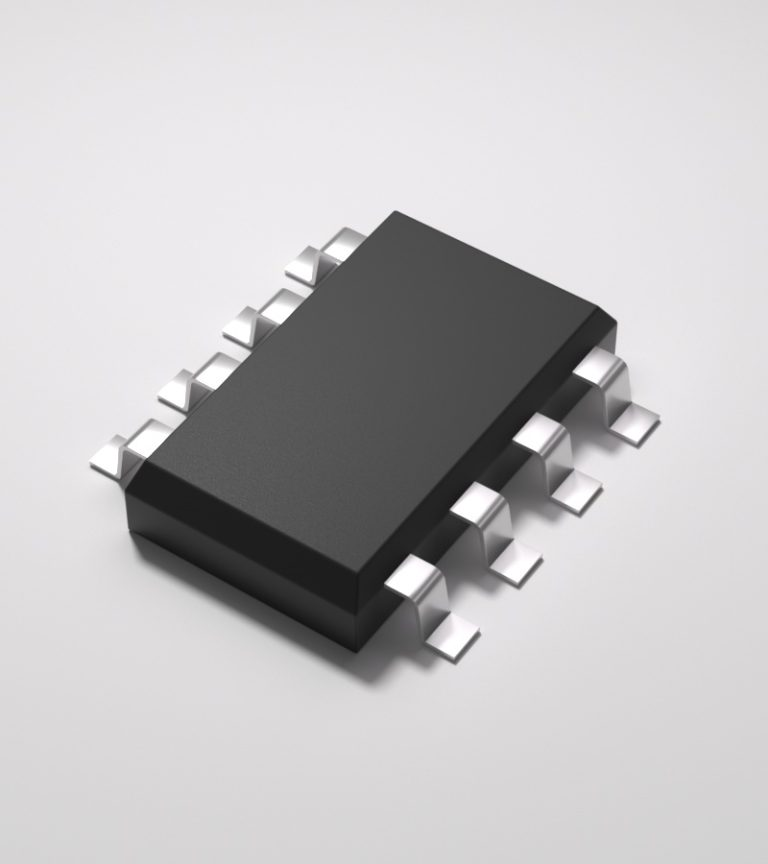
Without sufficient temporary volatile memory, incoming frame data can exceed available buffer capacity, resulting in dropped frames, processing delays, or visible image artifacts. Integrating the Micron 2Gb DDR3L SDRAM memory chip provides the dedicated high-bandwidth frame buffer required to sustain continuous 1080p and 4K image streams.
Beyond image processing throughput, industrial hardware designs must function inside compact, fanless housings where heat build-up degrades silicon reliability. Power dissipation on memory rails translates directly into internal enclosure heat, elevating thermal stress across adjacent optical assemblies and power stages.
Selecting DDR3L memory operating at 1.35 V can help reduce memory power consumption under comparable operating conditions, although overall thermal performance depends on system activity and board-level design. Achieving long-term operational success requires hardware designers to pair efficient low-voltage dynamic memory with resilient component procurement strategies.
Architectural Performance of the Micron 2Gb DDR3L SDRAM Memory Chip
Engineered specifically for data-intensive processing architectures, the MT41K128M16JT-125:K provides two gigabits of dynamic storage organized in an eight-bank array. Manufactured by Micron Technology, the component features a 128 Meg x 16-bit word configuration that matches high-speed digital signal processors and edge vision system-on-chip architectures.
Operating on a low-voltage 1.35 V supply rail, the chip delivers substantial energy savings compared to legacy 1.5 V DDR3 devices. The silicon remains backwards compatible with standard 1.5 V power topologies, giving hardware engineers layout flexibility across disparate board revisions without mandating dedicated power rail redesigns.
The device runs at an 800 MHz clock frequency, achieving an effective double data rate transfer speed of DDR3-1600. Featuring a tight cycle time of 1.25 nanoseconds at a CAS latency of 11, the memory enables high-speed burst transfers capable of sustaining data bandwidths exceeding 25.6 gigabits per second.
An 8n-bit prefetch architecture coordinates high-speed differential clock inputs to execute synchronized read and write transactions. On-die termination for data, strobe, and mask signals helps control impedance mismatches and reduce signal reflections when configured appropriately for the PCB layout.
Thermal and mechanical durability are reinforced through a standard 96-ball fine-pitch ball grid array package measuring 8 by 14 millimeters. The lead-free, RoHS-compliant package facilitates automated surface-mount assembly while maximizing heat conduction through dedicated ground solder balls directly into internal copper planes.
Internal self-refresh temperature control and automatic self-refresh routines regulate background charge restoration without host controller intervention. These autonomous refresh cycles maintain stored pixel data reliably across operating temperatures from 0°C to +95°C, ensuring flawless image capture during extreme environmental fluctuations.
The device supports write leveling and output driver calibration to help optimize interface timing and signal integrity. Multi-rank configurations require compatible memory-controller support and system-level timing validation.
Navigating Fab Allocations with a Trusted SDRAM Memory Chip Supplier
Legacy dynamic RAM continues to anchor automotive gateways, programmable logic controllers, and medical telemetry monitors. While leading foundries reallocate cutting-edge wafer lithography toward high-bandwidth memory for server accelerators, mature DDR3L manufacturing lines face persistent capacity constraints.
Changes in manufacturer production plans and market demand can lead to longer lead times for certain DDR3L memory devices, making advance procurement planning important for manufacturers. A missing memory package halts high-speed surface-mount assembly lines, accumulating costly equipment downtime and stranding finished circuit assemblies in work-in-progress inventory.
Hardware manufacturers cannot absorb the extensive financial overhead and engineering delays required to requalify entire processor platforms onto newer DDR4 or DDR5 standards. Consequently, establishing an ongoing supply relationship with an experienced SDRAM memory chip supplier becomes vital to shield industrial production schedules from sudden fab de-commitments.
Maintaining production continuity requires broad bill-of-materials access across the full component spectrum. Image capture platforms rely heavily on auxiliary power management ICs, differential clock generators, and decoupling capacitor arrays that encounter their own respective supply chain disruptions.
To address these procurement bottlenecks, Unibetter distributes a wide range of electronic components across network routing, industrial automation, video surveillance, and edge computing sectors. This comprehensive distribution model enables procurement departments to consolidate discrete active devices, specialized sensors, and memory chips under synchronized delivery agreements.
Forward-looking procurement coordination shields electronics manufacturing services from unpredictable factory allocation windows. Establishing comprehensive component coverage ensures that passive support components and high-speed memory chips arrive at board assembly facilities in complete, production-ready kits.
Quality Authentication and Risk Mitigation Across Volatile Supply Chains
Extended semiconductor lead times often pressure purchasing departments to explore unvetted electronic brokers and secondary exchanges. Procuring dynamic random-access memory from unregulated open markets introduces severe quality risks, including remarked scrap silicon, pulled components, and packages compromised by moisture or electrostatic discharge.
Substandard memory devices create catastrophic failure modes in field-deployed equipment. Damaged BGA balls, hidden silicon microcracks, or degraded internal capacitors can cause random bit flips, premature data corruption, and sudden kernel panics that undermine equipment safety and ruin commercial brand reputation.
Unibetter sources electronic components through franchised suppliers and applies incoming quality checks, including visual inspection, X-ray analysis of internal wire bonds, and verification against factory specifications, to ensure component authenticity and reliability.
By helping customers secure the components they need at competitive prices, even during supply shortages and market allocations, Unibetter helps control procurement costs, protect manufacturing margins, and maintain production continuity.
Collaborating with a qualified SDRAM memory chip supplier provides procurement teams with transparent factory traceability and verified date codes. Transparent sourcing eliminates secondary market markups while ensuring that automated pick-and-place lines receive pristine component reels ready for production.
Through integrated global logistics pipelines, Unibetter assists original equipment manufacturers in maintaining steady production runs without costly line shutdowns. This structured distribution framework empowers technology companies to scale edge computing hardware while avoiding extended manufacturer backorders.
Resilient Memory Design for Modern Industrial Edge Hardware
Engineering dependable vision systems requires uniting high-speed volatile memory architecture with disciplined component procurement. The MT41K128M16JT-125:K demonstrates how low-voltage DDR3L silicon delivers exceptional burst bandwidth, thermal efficiency, and interface robustness within a compact surface-mount footprint.
Realizing the commercial value of advanced hardware design requires constant vigilance against global supply chain volatility. By specifying reliable memory components and partnering with verified franchised distribution channels, hardware manufacturers safeguard product reliability, eliminate counterfeit risks, and ensure enduring market success.


