How to Maintain Great Power Batteries for Best Performance
Battery maintenance has a direct influence on the reliability, efficiency, and service life of an energy-storage installation. Whether batteries support a home, commercial facility, industrial site, or backup application, proper operating practices can help reduce avoidable performance losses. For users of a Great Power battery, maintenance should focus on environmental conditions, battery management, electrical connections, operating patterns, and regular performance monitoring.
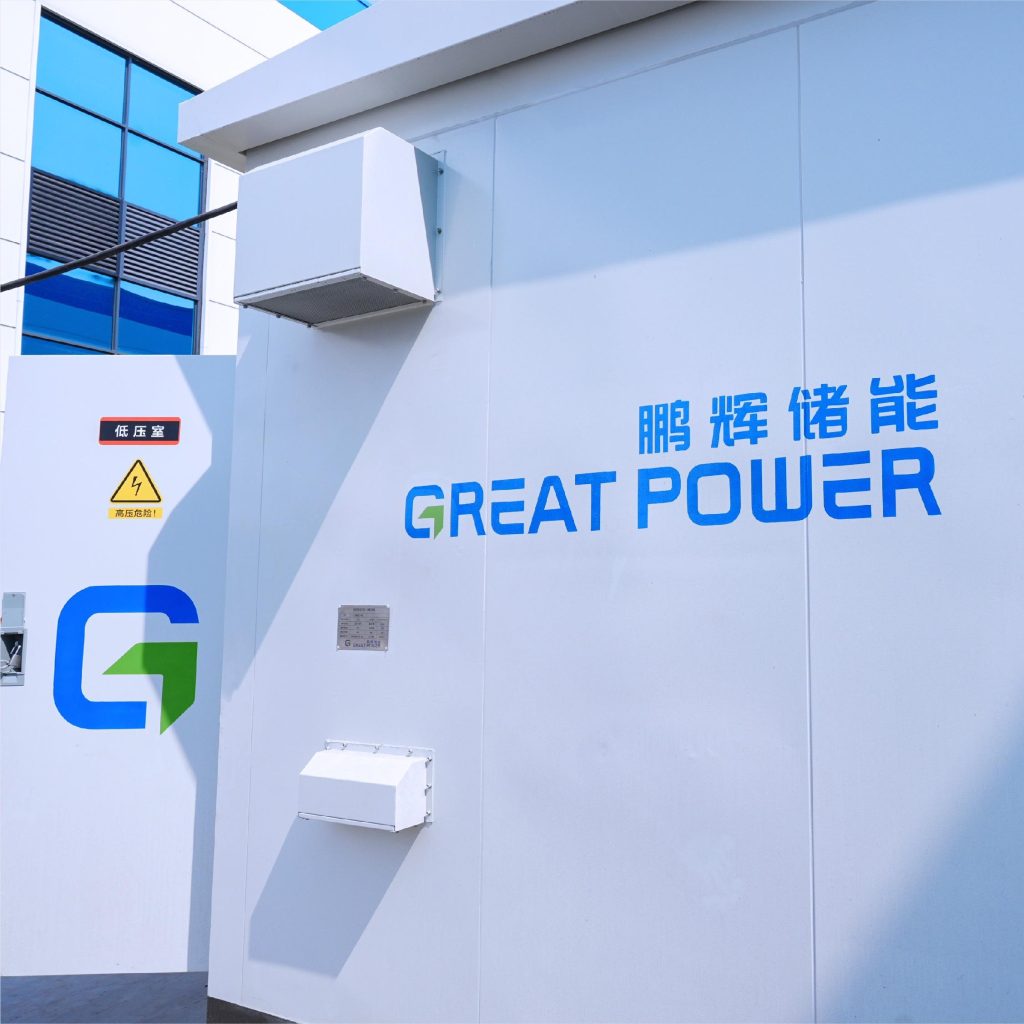
Keep the Battery in a Suitable Environment
Temperature is one of the most important environmental factors affecting rechargeable batteries. Excessive heat can accelerate battery aging, while extremely low temperatures can affect charging and discharge performance.
The battery installation area should therefore remain within the operating conditions specified by the manufacturer. Ventilation or an appropriate thermal-management system should be maintained so that heat can be removed effectively during operation.
Humidity and exposure to water should also be controlled. Battery enclosures should remain properly sealed, and users should inspect the installation area for condensation, leaks, dust accumulation, or other environmental issues that could affect electrical equipment.
Monitor Battery State Regularly
Modern energy storage systems use battery management systems to monitor parameters such as voltage, temperature, current, and state of charge. These measurements provide valuable information about battery operating conditions.
Users should regularly review available monitoring data rather than waiting for an alarm or visible performance problem. Unexpected changes in voltage, temperature, state of charge, or system efficiency can indicate that further inspection is necessary.
For a Great Power battery, monitoring should follow the manufacturer’s recommended procedures and system configuration. Operators should also keep records of significant alarms, maintenance activities, and performance changes to help identify developing issues.
Follow Appropriate Charging Practices
Charging behavior can influence battery performance over time. Users should operate the battery within the charging limits established for the specific battery system rather than repeatedly exceeding recommended parameters.
An Energy Storage System should also use compatible charging and power-conversion equipment. Incorrect settings can create unnecessary stress on the battery or interfere with normal battery-management functions.
Where the system supports automated energy management, users should verify that charging schedules are appropriate for the application’s operating requirements. For example, a residential system may prioritize solar charging, while a commercial installation may use scheduled charging to respond to electricity tariffs.
Avoid Unnecessary Extreme Operating Conditions
Battery systems are designed to operate within defined voltage, current, temperature, and state-of-charge ranges. Repeated operation at extreme conditions can affect long-term performance.
Users should avoid modifying protection settings without authorization from qualified professionals. If an Energy Storage System repeatedly reaches abnormal temperature, voltage, or current conditions, the underlying cause should be investigated instead of simply resetting alarms.
Load management can also help. If a battery is regularly subjected to unusually high discharge demands, operators should determine whether the system has been correctly sized for the application.
Inspect Electrical Connections
Electrical connections should be inspected according to the manufacturer’s maintenance schedule and applicable safety procedures. Loose or damaged connections can increase electrical resistance and may create unwanted heat.
Inspection should cover accessible cables, connectors, terminals, enclosures, and relevant protection equipment. Signs of discoloration, corrosion, physical damage, or unusual heating should receive immediate attention.
Maintenance work on energized battery equipment can involve significant electrical hazards. Only appropriately trained and authorized personnel should perform inspections or repairs that require access to electrical components.
Keep Cooling and Ventilation Systems Clean
Thermal management is particularly important for larger battery installations. Cooling equipment must be able to operate effectively so that batteries remain within their specified temperature range.
Filters, ventilation openings, fans, heat exchangers, or liquid-cooling components should be inspected according to the applicable maintenance schedule. Dust or obstruction can reduce cooling effectiveness and increase operating temperatures.
For systems using liquid cooling, operators should also follow the manufacturer’s procedures for checking coolant-related components. Any signs of leakage or abnormal cooling performance should be investigated promptly by qualified personnel.
Use the Battery Management System Effectively
The battery management system is central to the safe operation of modern rechargeable battery systems. It can monitor individual operating parameters and help protect the battery against conditions such as overvoltage, undervoltage, overcurrent, and excessive temperature.
Operators should avoid bypassing or disabling protection functions. Firmware and control-system updates should also be handled according to approved procedures because changes to the control architecture can influence system behavior.
For a Great Power battery, maintenance teams should use the monitoring and control functions provided for the relevant system rather than applying generic settings from unrelated battery products.
Work With Qualified Service Professionals
Battery maintenance should always follow the manufacturer’s documentation and applicable electrical-safety requirements. Generic maintenance procedures should not replace product-specific instructions.
Great Power develops battery and energy-storage technologies for residential, C&I, utility-scale, UPS, and other applications. Its portfolio covers different levels of the storage architecture, from battery cells and PACKs to RACK systems and complete energy-storage solutions. (greatpower.net)
This broad technical scope means maintenance procedures can vary considerably between applications. Operators should therefore identify the exact system configuration before scheduling inspections, repairs, or component replacement.
Extend Performance Through Good Operating Discipline
Effective maintenance combines environmental control, regular monitoring, proper charging and discharging, inspections, and professional service. These practices help detect issues early and reduce battery stress.
For Great Power batteries, users should follow product-specific maintenance guidelines based on the battery chemistry, system design, and operating environment. Consistent maintenance can improve performance, safety, and reliability throughout the system’s service life.


