What Global Energy Problems Do Energy Storage Systems Solve?
Electricity systems worldwide are facing several urgent challenges, including unstable renewable power generation, overloaded grids, and growing demand for reliable energy supplies. Solar and wind projects are expanding rapidly, but their output cannot always match the timing of electricity consumption.
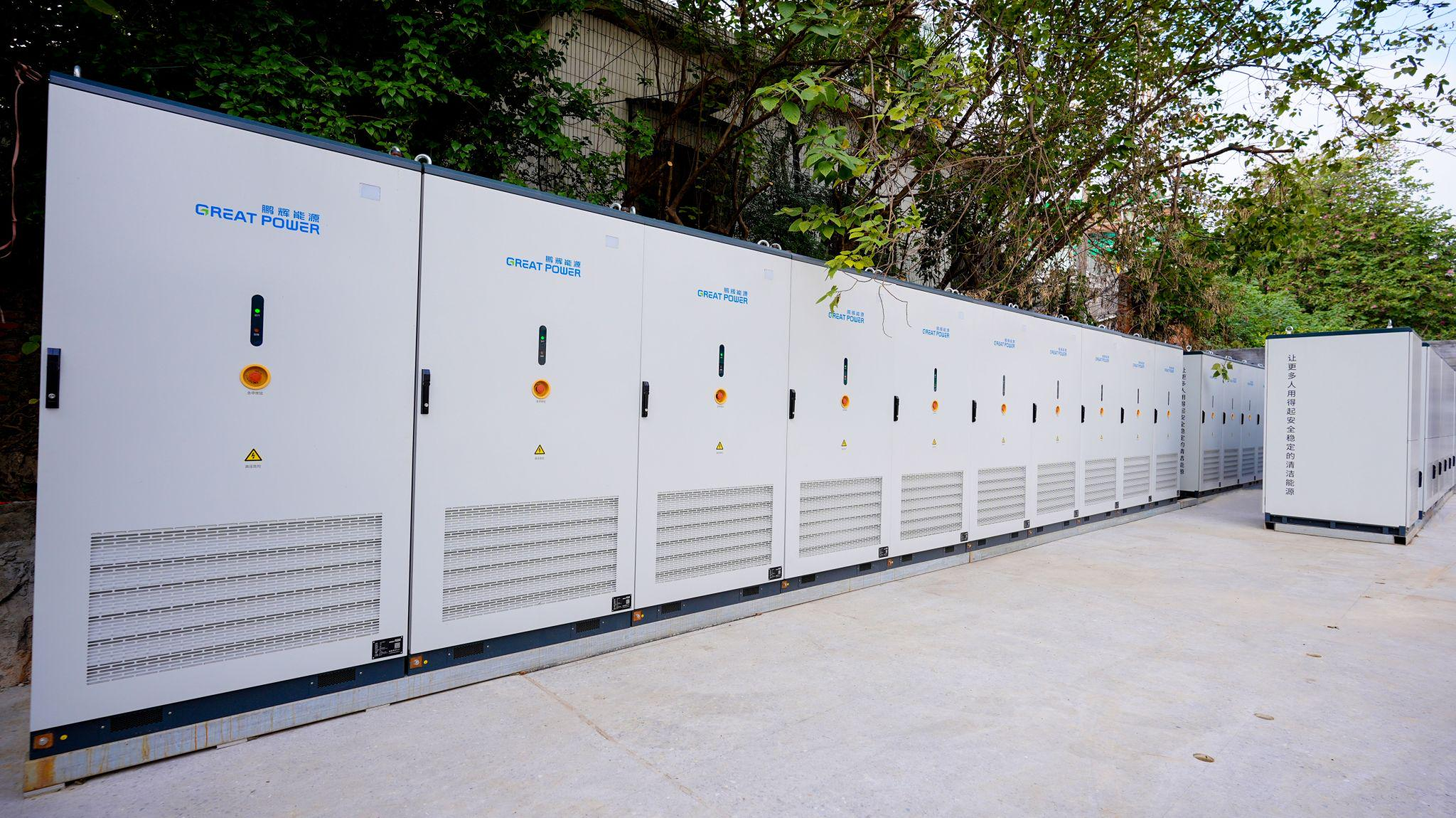
They shift electricity across time, respond to short-term grid conditions, and make stored renewable energy available when generation declines. By making power networks more reliable, increasing grid flexibility, and facilitating the incorporation of renewable energy sources, these technologies contribute to the resolution of pressing energy issues.
Managing Renewable Energy Variability
Renewable energy variability is an important operational challenge for modern electricity systems. Solar farms produce electricity only during daylight hours, while wind farms depend on changing weather conditions. These factors can create periods when renewable power generation does not meet user demand.
Energy storage systems help manage this imbalance by storing part of the surplus electricity and releasing it during periods of lower generation. This process can increase renewable energy utilization and reduce electricity curtailment
An energy storage company develops technologies that allow renewable projects to operate more efficiently. Storage capacity gives energy providers greater control over electricity flow and makes renewable power more suitable for large-scale energy networks.
Supporting Grid Stability and Reliability
Power grids must maintain a constant balance between electricity supply and consumption. Sudden changes in power generation or unexpected increases in demand can affect grid performance and create risks for reliable electricity delivery.
Battery storage systems provide rapid energy response capabilities that help stabilize electricity networks. They can supply additional power during short-term shortages and absorb excess electricity when production exceeds demand.
These functions are especially important for modern grids that include higher levels of renewable energy. Storage technology allows grid operators to manage changing electricity patterns without depending entirely on traditional backup generation sources.
Improving Energy Flexibility in Remote Areas
Reliable electricity access remains a challenge for many remote locations, industrial sites, and regions with limited grid infrastructure. Traditional energy solutions often require expensive fuel transportation or large infrastructure investments.
Energy storage systems combined with renewable generation offer a more flexible approach. Solar power paired with appropriately sized battery storage can support selected loads when solar generation is unavailable, subject to the stored energy and system operating strategy.
Portable and stationary storage solutions help support essential operations in locations where stable electricity access is difficult to achieve. These applications show how storage can increase local energy flexibility and support reliability when combined with appropriate generation and control resources.
Solving Peak Electricity Demand Pressure
Electricity consumption does not remain constant throughout the day. Commercial buildings, factories, and residential areas often experience periods of high demand that place additional pressure on power networks.
Energy storage systems help manage peak demand by storing electricity during lower-consumption periods and supplying power when usage increases. This approach improves energy distribution efficiency and reduces stress on electricity infrastructure.
For industrial users, effective energy management can improve operational stability. Storage solutions allow businesses to maintain power availability while optimizing electricity consumption patterns.
Solving the Challenge of Renewable Energy Integration
Many countries are increasing renewable energy capacity, but integrating large amounts of variable power into existing electricity systems remains difficult. Without proper management, renewable expansion can create additional pressure on grid operations.
The use of energy storage devices bridges the gap between the generation of renewable power and its actual usage. Clean energy resources can contribute more regularly by using stored power when renewable generation falls.
A professional energy storage company supports this transition by providing systems that improve energy flexibility. Storage technology enables electricity networks to accept more renewable power while maintaining stable operation.
Supporting More Sustainable Energy Management
Energy waste, inefficient electricity use, and dependence on conventional power sources remain important global concerns. Storage systems help address these issues by improving how electricity is generated, distributed, and consumed.
Modern energy networks require solutions that can respond quickly to changing conditions. Battery storage provides this capability by allowing energy to move between different time periods according to actual demand.
Great Power contributes to this development through battery solutions that support renewable energy applications, industrial power management, and advanced storage projects. These technologies help create more efficient ways to manage electricity resources.
Conclusion
Renewable power variations, grid instability, limited energy access, peak demand pressure, and the need for more efficient electricity management are only a few of the significant worldwide energy concerns that energy storage systems address.
The role of storage technology extends beyond simply saving electricity. It creates a flexible connection between energy production and consumption, allowing renewable resources to become more reliable and practical.
Companies involved in lithium ion battery manufacturing and energy storage development will continue influencing how electricity systems respond to global challenges. With improved battery technologies and smarter energy management solutions, storage systems will remain a key tool for building stronger and more adaptable energy networks.


